Choose a base
Try an animal, tiny machine, cloud creature, plant, household object, or species nobody has named.
Use these playful ingredients as a starting spark—not a finished character. The best idea is the one a child changes, combines, and makes unexpectedly their own.
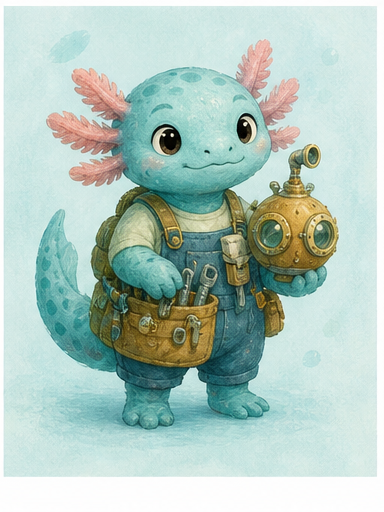 One idea can keep growing.
A long list of complete character prompts can make choosing easier, but it can also make every idea feel borrowed. A better starting point is a small combination: a creature, a job or dream, a strength, and one surprising detail.
A capybara who collects sounds is more open than a fully written hero biography. What sounds matter? Why collect them? What problem appears? Each unanswered question gives the child somewhere to direct the story.
Try an animal, tiny machine, cloud creature, plant, household object, or species nobody has named.
Maybe they want to map stars, repair broken songs, bake weather, protect seeds, or invent pocket tools.
Patient listening, brave curiosity, unusual memory, gentle leadership, or finding patterns others miss.
They glow when confused, carry a door to somewhere else, speak in sketches, or sneeze tiny constellations.
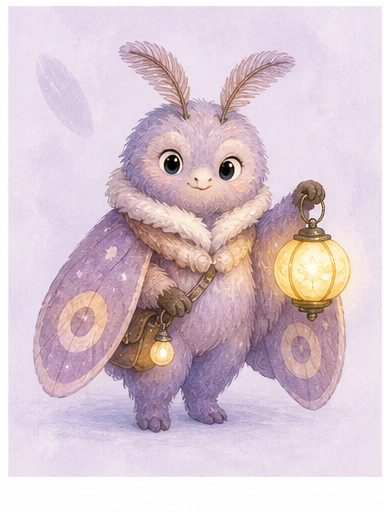
Combine one base + one dream + one strength + one unusual detail. For example: a shy moth + wants to guide lost travelers + notices quiet clues + carries lanterns that remember places. Then let the child replace any ingredient.
What parents should knowThere is no perfect first prompt. A child only needs one starting choice and room to make the next one.
Choose the options that create curiosity, even if they do not seem to match yet.
A cloud baker needs an oven. Is it carried on a turtle’s shell, hidden in a hill, or powered by thunder?
The most original element often arrives after the starter idea. Make room for it instead of polishing too early.
Look at the portrait together. Ask what the character would keep, change, fear, want, or try next.
Offer two small categories instead of an empty page: choose a creature, then choose a surprising job or dream. Once those are combined, ask one concrete question about how the character lives.
Complete prompts can demonstrate the format, but open ingredients preserve more agency. Encourage the child to replace at least one important element and explain why.
Originality usually comes from the relationship between details: what the character wants, what they are good at, what makes life difficult, and the unusual way they respond.
No. A useful first problem can be small: finding a lost sound, preparing for a storm, helping a nervous friend, or deciding whether to open a mysterious door.
Yes. After creating the character, a child can keep the same identity and direct new looks, places, story moments, and comics inside that character’s world.
Start with one character. Let your child decide where the idea grows.